What's Your
Data
Challenge
Every company hits a wall. The symptoms are different, but the patterns are familiar.
We've worked with dozens of companies across SaaS, e-commerce, finance, and marketing. The problems they face fall into predictable categories — and so do the solutions.
Find your situation below. We'll show you what's actually broken and how to fix it.
Our challenges
Foundation Problems
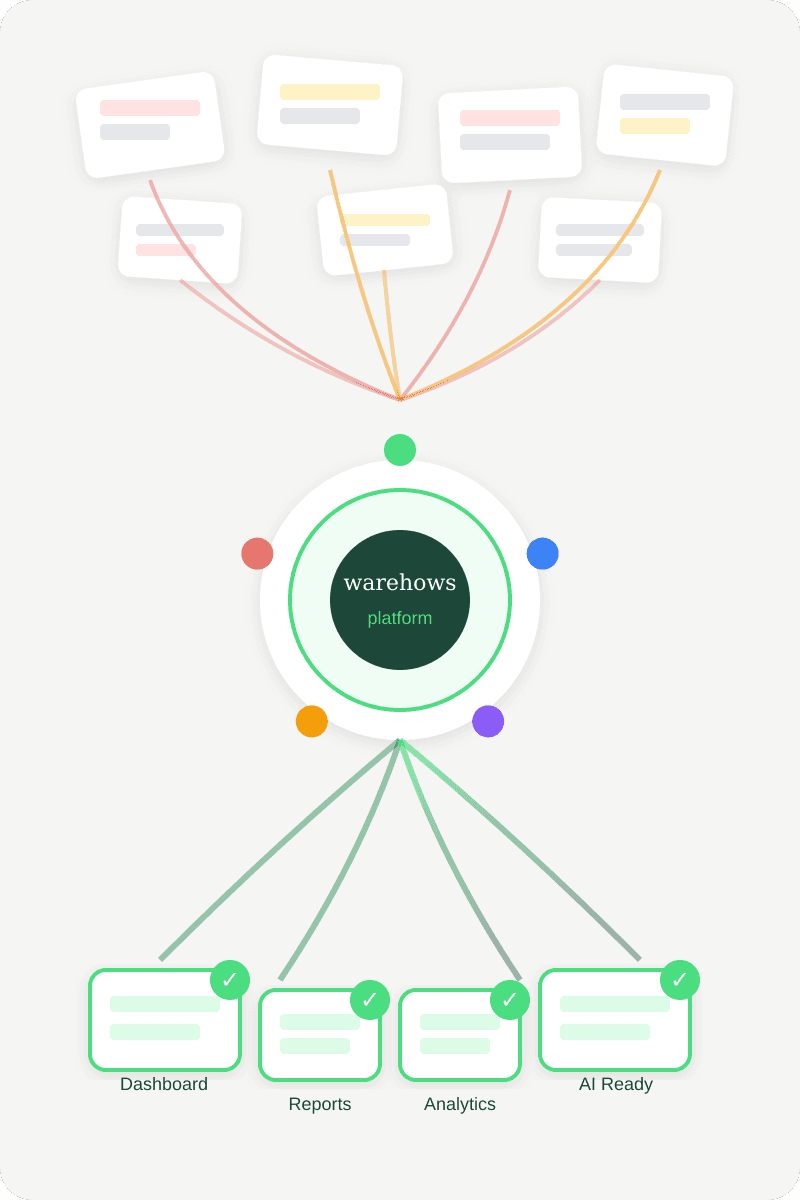
Your data infrastructure can't support what you're trying to build.
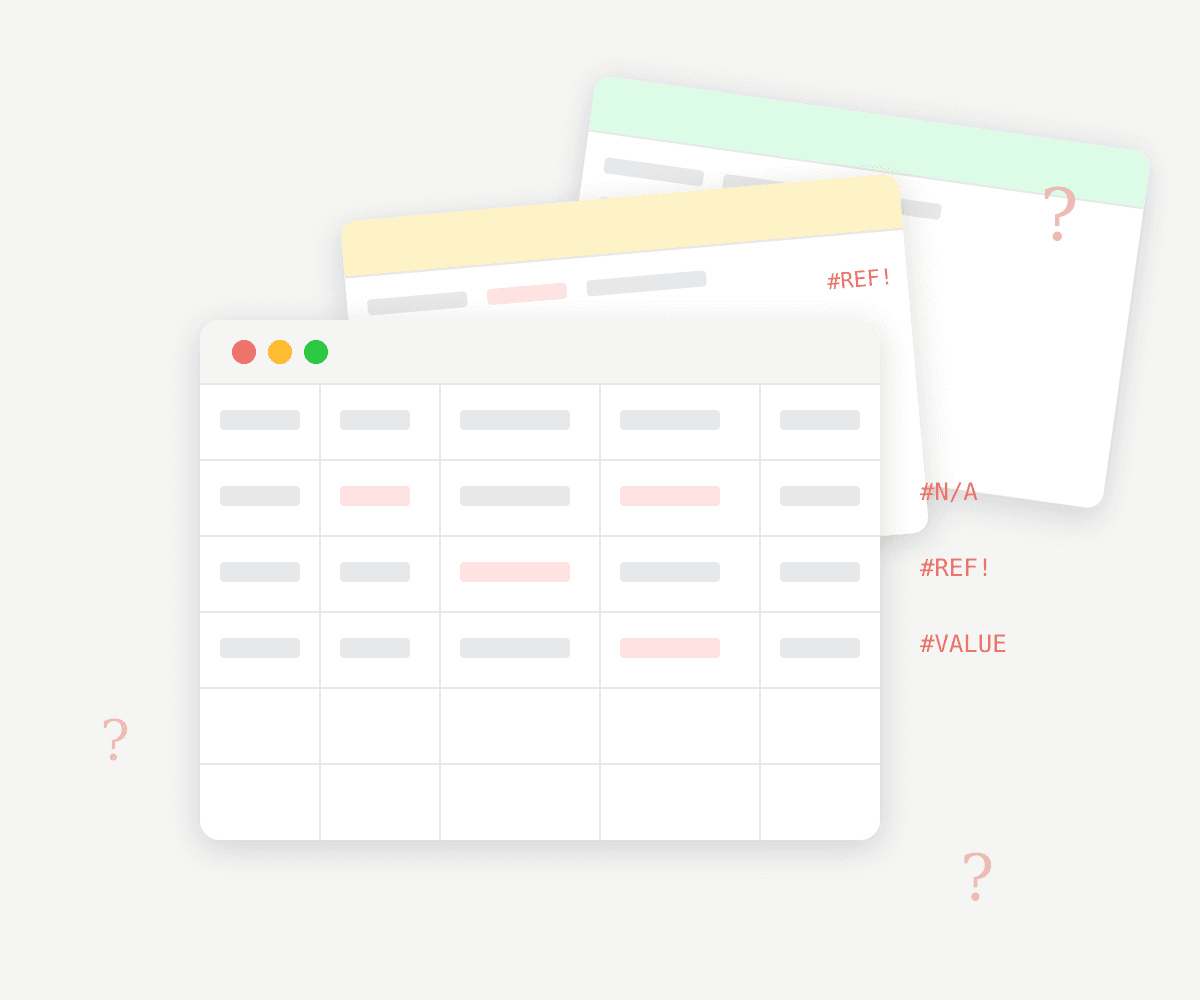
You're running on spreadsheets, manual exports, and hope.
Signs you're here:
Heavy reliance on Excel and Google Sheets
Dashboards manually updated weekly
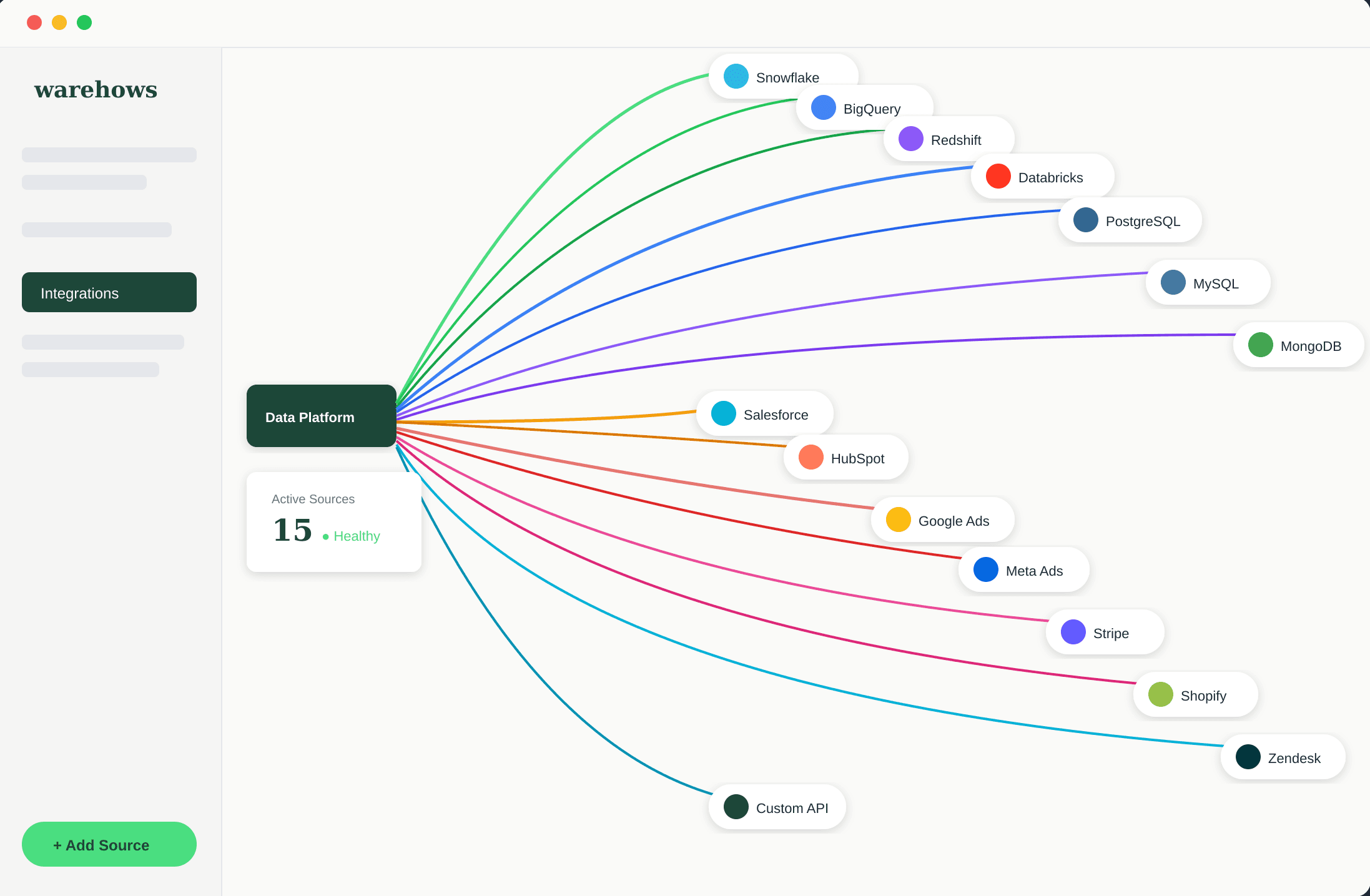
Exporting CSVs from QuickBooks, Shopify, HubSpot everywhere
Analysts spending more time gathering data than analyzing it
No single source of truth
What's actually wrong:
You don't have a dashboard problem — you have no data platform.
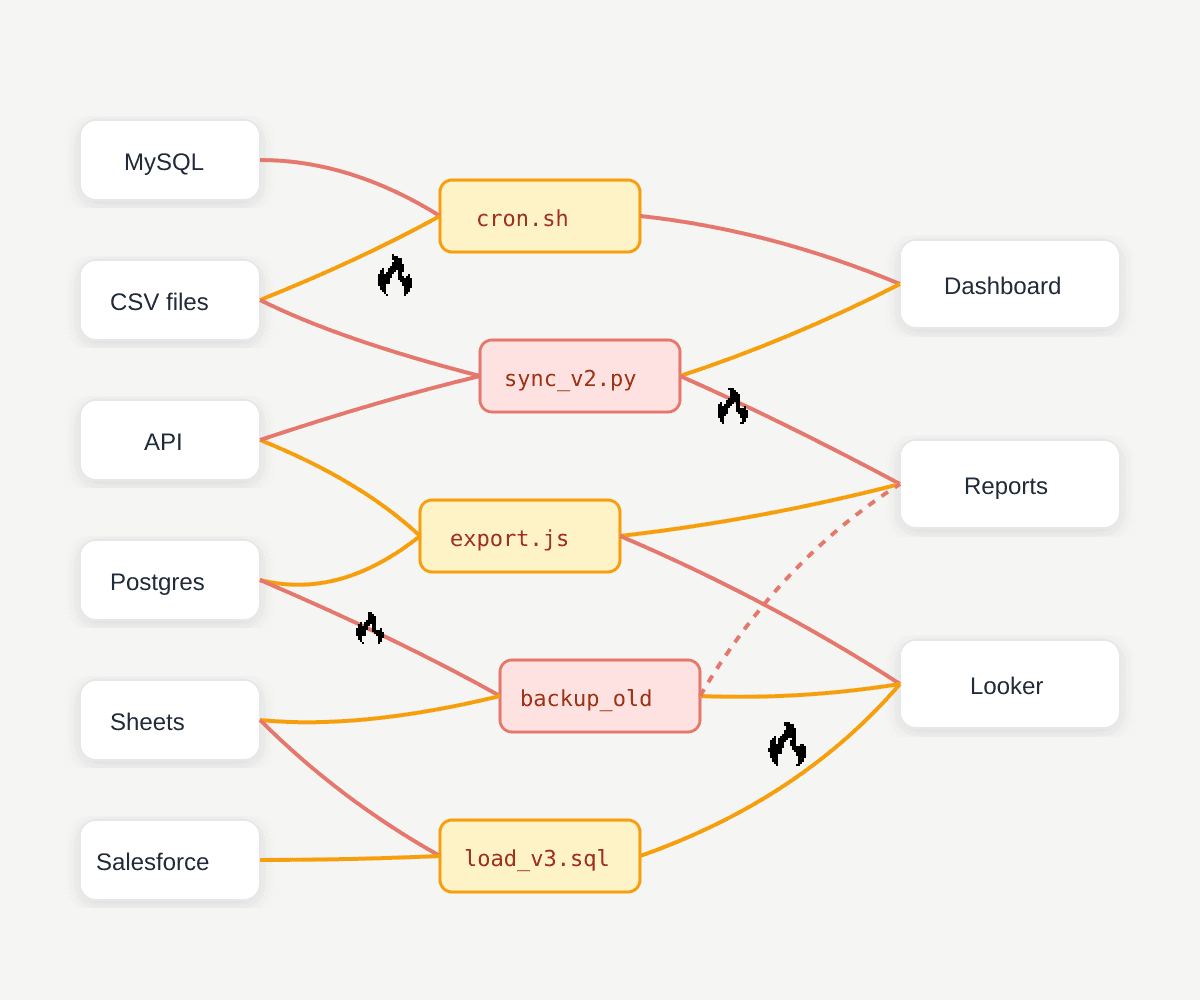
Your data stack "just grew over time." Now it's falling apart.
Signs you're here:
Pipelines spread across Fivetran, custom scripts, and manual processes
Every new data source causes downstream fires
Engineers spend more time firefighting than building
Cloud costs rising without performance improvements
What's actually wrong:
The architecture can't support your volume, complexity, or growth.
Our challenges
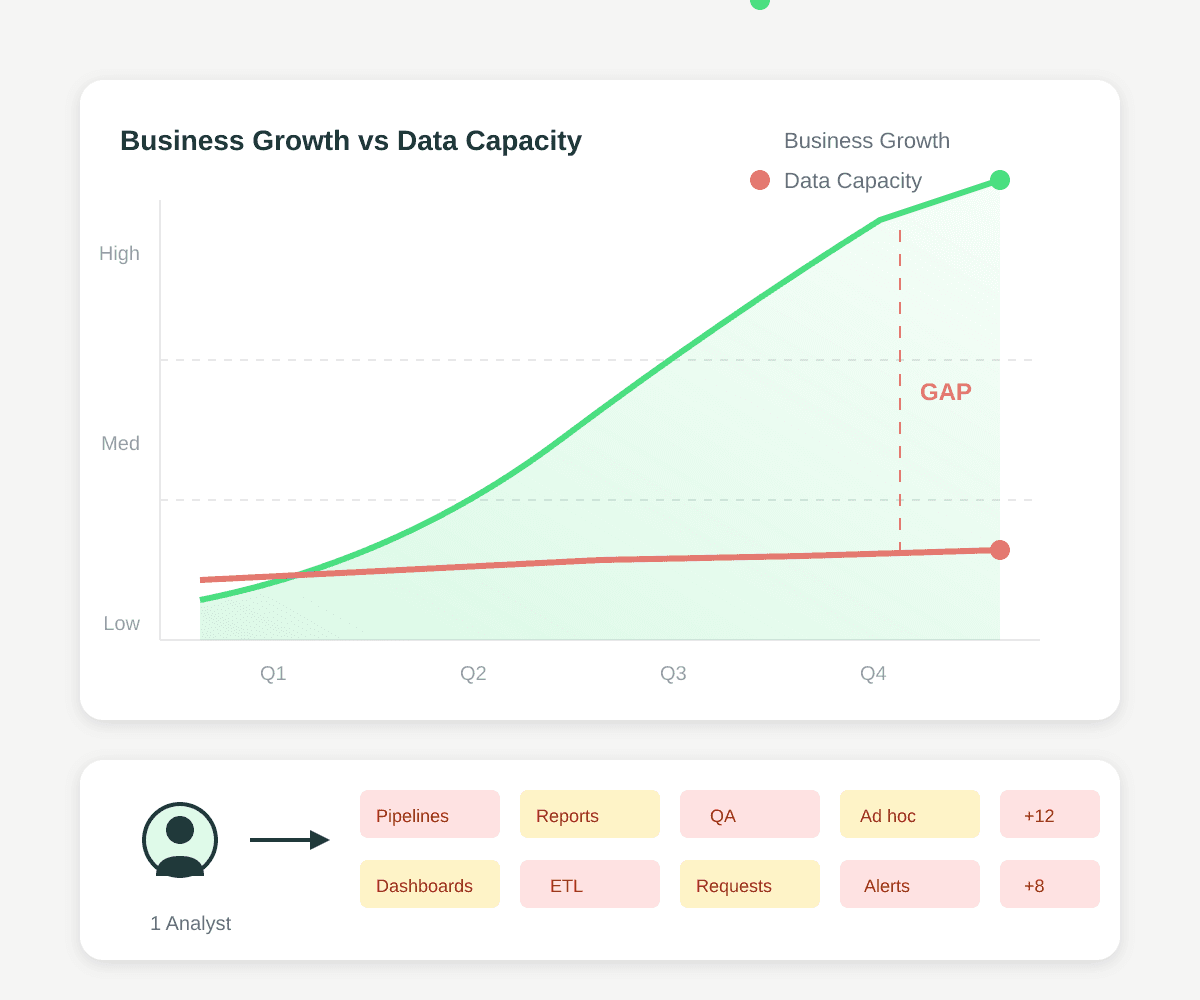
Your business grew faster than your data function.
No one owns the data. Everyone's doing manual work.
Signs you're here:
No dedicated data engineer or analytics engineer
Business analysts doing data engineering work
Custom dashboards built per stakeholder request
High dependency on one person who "knows where everything is"
BI tools becoming "visual spreadsheets"
What's actually wrong:
Data engineering was never formalized. Reporting is compensating for missing infrastructure.
Our challenges
Your dashboards exist, but no one trusts them.
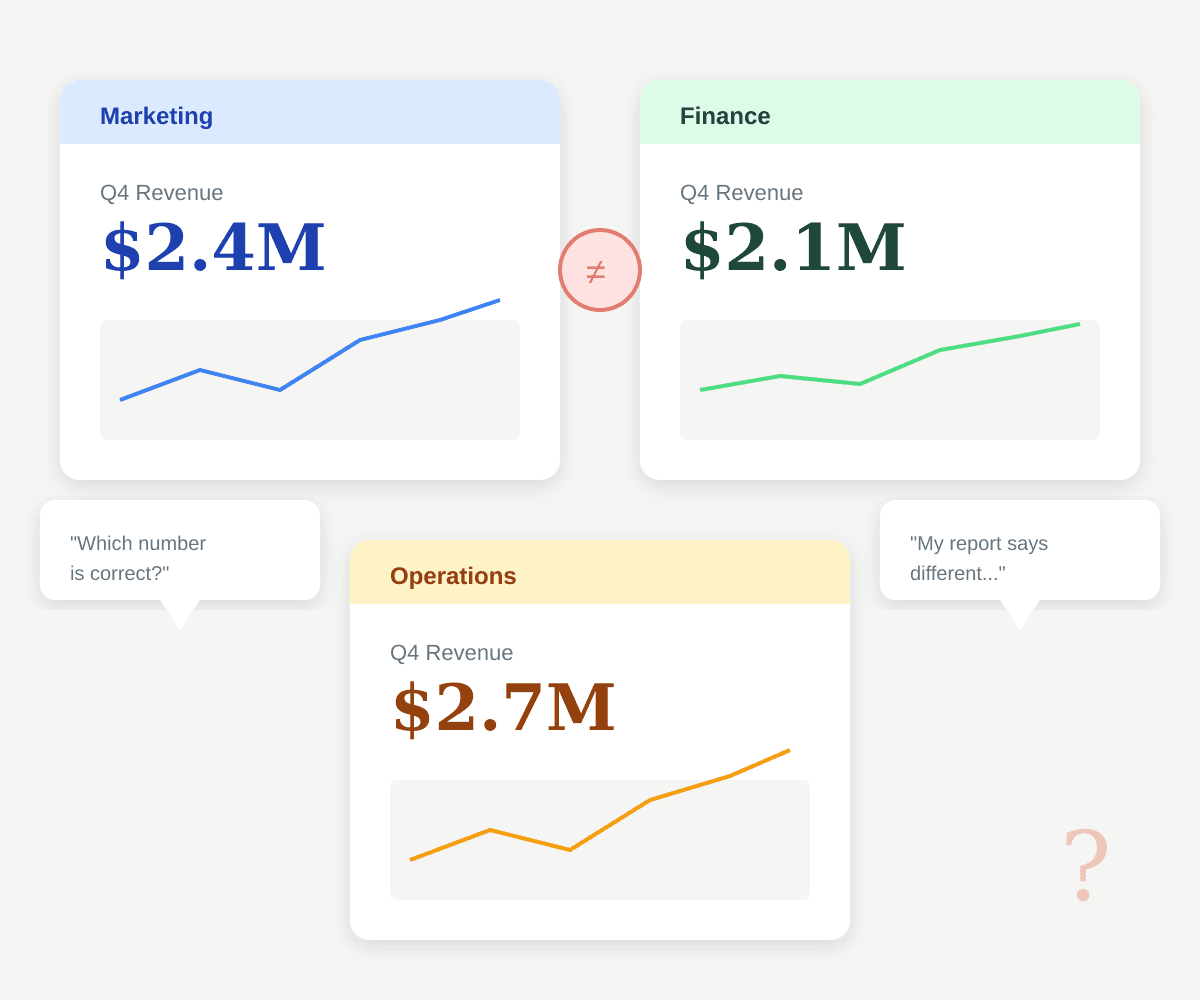
Marketing says $2M. Finance says $1.8M. Who's right?
Signs you're here:
Different revenue numbers in every meeting
CAC, LTV, MRR calculated differently across tools
People arguing about the number, not the insight
Every team has their own spreadsheet with "the real data"
What's actually wrong:
No shared metric layer. Each team defined metrics in their own tool, and the definitions have drifted.
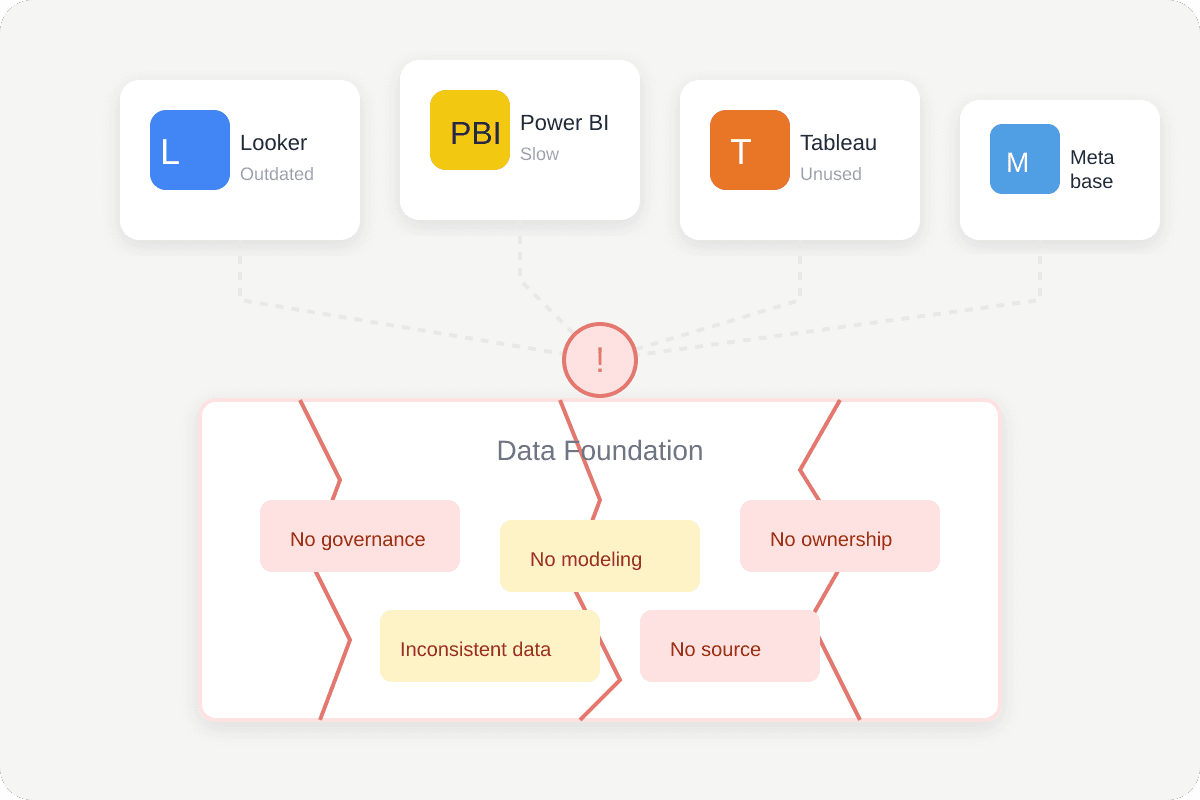
You bought the right tools. They aren't producing the right insights.
Signs you're here:
Looker models outdated, Power BI dashboards slow
Analysts exporting dashboards into spreadsheets
Leadership still asking for "one more report"
Low adoption, high cost, frustrated teams
What's actually wrong:
Tools don't create value if the underlying data isn't modeled, governed, or owned.
Our challenges
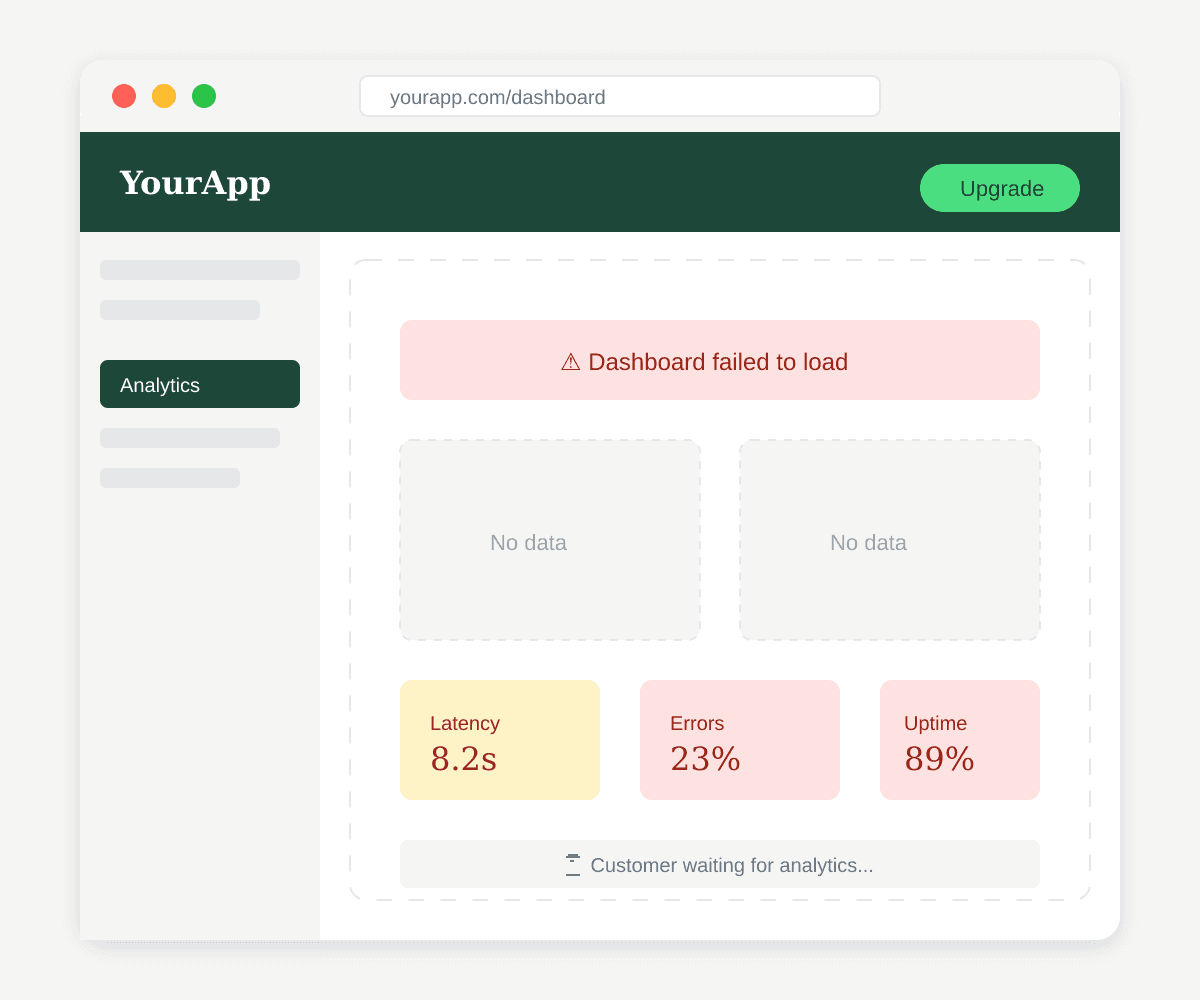
Your product needs dashboards. Your data can't support them.
Signs you're here:
Customer-facing reporting manually built for each client
No scalable multi-tenant data structure
Customers complaining about slow or incorrect metrics
Losing deals because competitors have better analytics
What's actually wrong:
No shared metric layer. Each team defined metrics in their own tool, and the definitions have drifted.
Our challenges
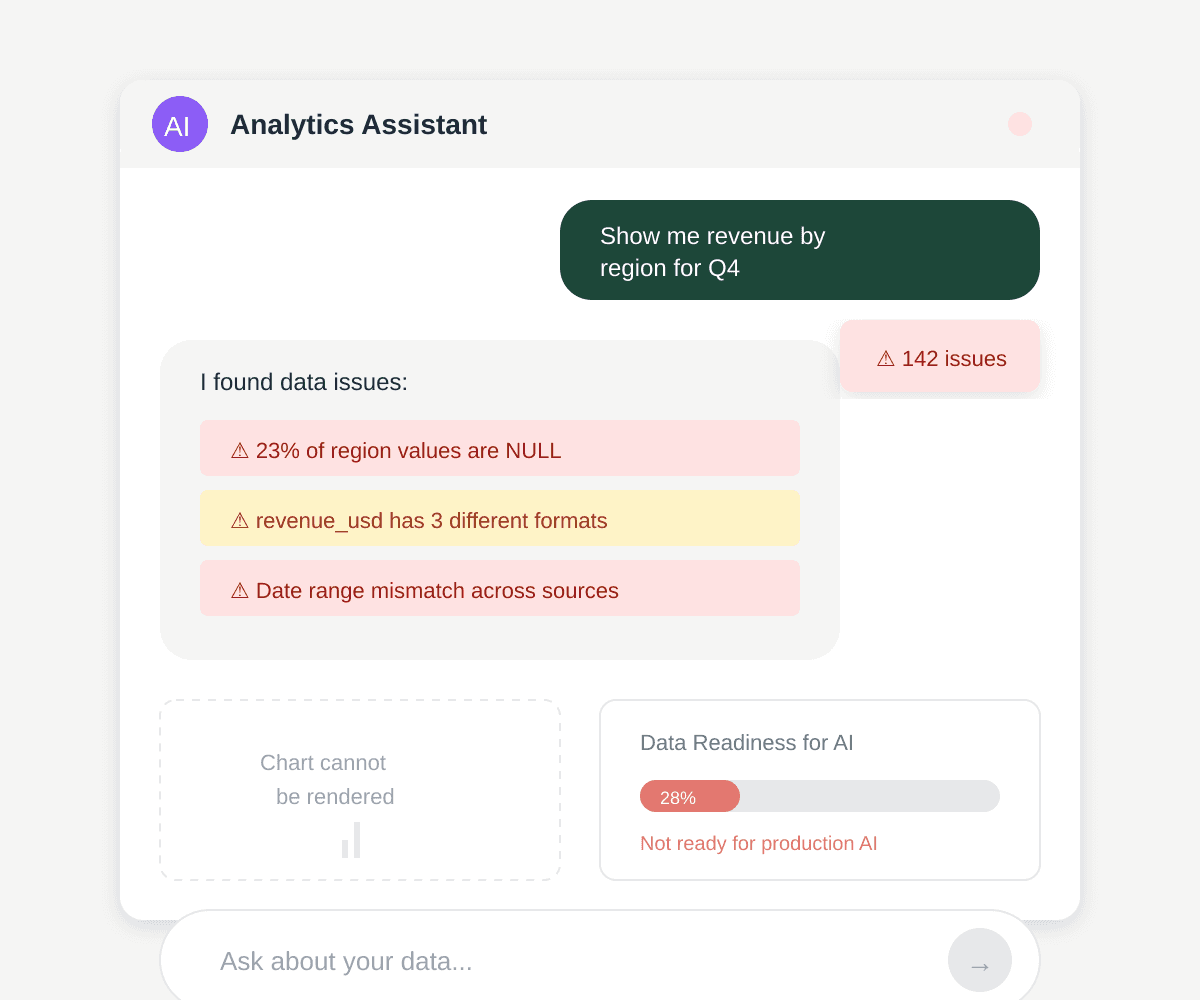
Leadership wants AI. The data isn't ready.
LLM prototypes that produce incorrect answers. AI projects that stall.
Signs you're here:
AI prototypes producing inconsistent results
No vector store or semantic search capability
Pipeline quality too low for automation
Conflicting metrics mean AI gives conflicting insights
What's actually wrong:
AI fails without clean, reliable, modeled data. The bottleneck is foundation, not model.

After working across industries, one truth stands out:
Most data problems are not caused by dashboards, pipelines, or analysts. They're caused by missing foundations.
When we fix the platform layer
pipelines
modeling
semantic layer
observability
every symptom
disappears